


Posted on 25 May, 2026
How to Develop Emotional Intelligence as a Leader
Share On:



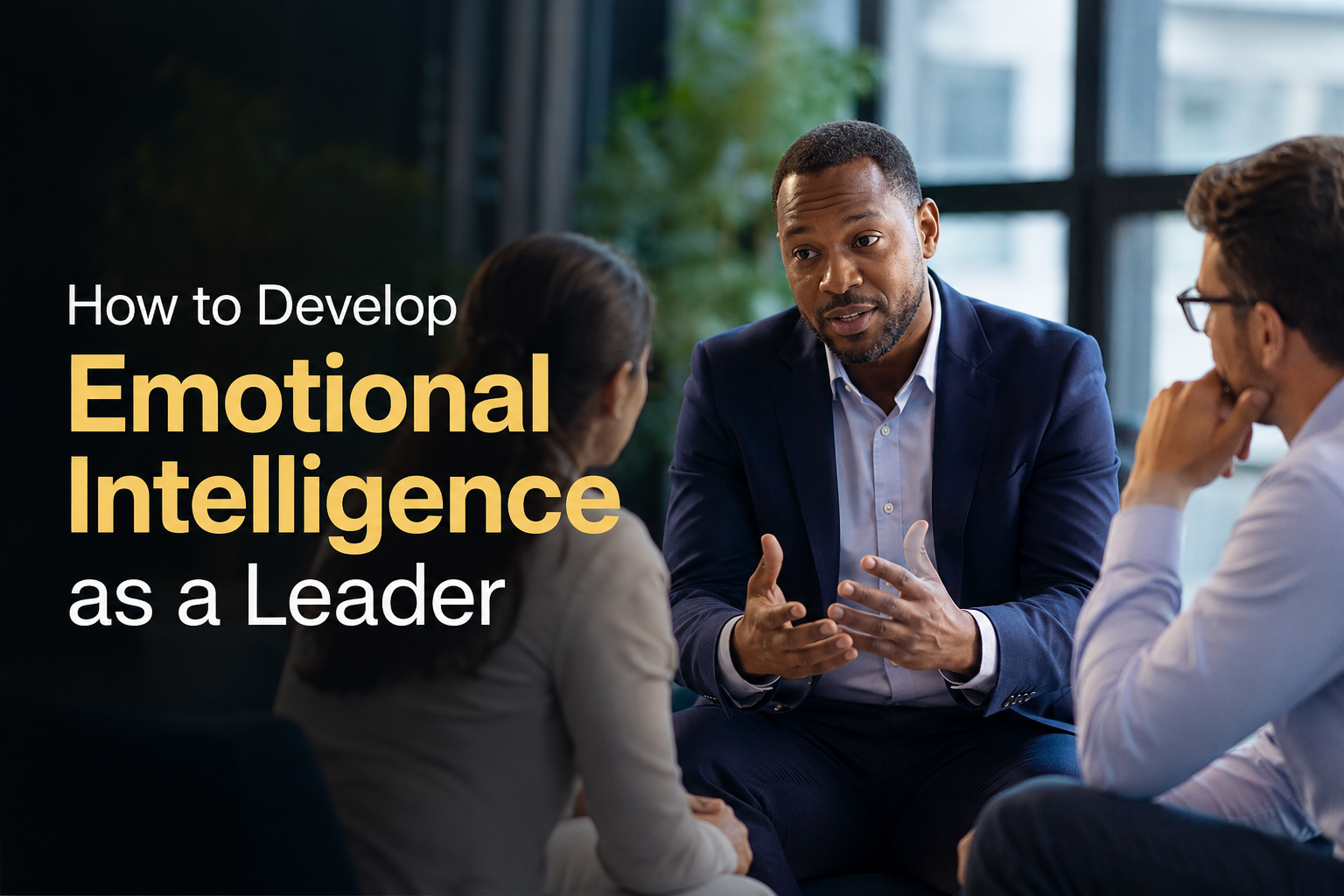
Being in a leadership position not only involves making decisions and managing teams, but there are many factors involved in being a successful leader as well. One of these factors is empathy, or the capacity to understand people's emotions, control your own emotions, and create strong relationships. Good leaders use these skills to better communicate, handle workplace relationships, and develop positive work environments. Taking Emotional Intelligence Coaching from a reputed leader or a person can help you become emotionally stable and can make better decisions in life.
Emotional intelligence, or EQ, is the ability to be aware of and appropriately manage our own and others' feelings. In this blog post, we will discuss how to develop emotional intelligence to be a good leader.
In this blog, we will talk about how to Develop Emotional Intelligence as a Leader
Why All Leaders Should Understand the Importance of Emotional Intelligence
Although employees do frequently follow directions given to them by their leaders, they do not follow them based only on the fact that they have to; there are many more components that affect how employees will respond to their leaders. Some of those components include leadership behaviors, leader attitudes, and leader styles of communication.
For example, when a leader gets angry quickly, chooses to ignore any of the employees' concerns, or lacks any empathy for their employees, it can create a workplace filled with anxiety and confusion.
Conversely, leaders who have strong emotional intelligence will have the ability to remain calm in the face of great pressure, inspire their employees to perform extremely well, and deal with challenges in a positive and productive manner.
By using their emotional intelligence, leaders can:
- Establish Trust Among Team Members
- Enhance Communication Effectiveness
- Resolve Issues Between Employees Calmly
- Boost Employee Motivation to Achieve Company Goals
- Make a Well-Considered Decision
- Develop a Positive Organization.
Key Aspects of Developing Emotional Intelligence
Self-Awareness
Being self-aware means understanding your feelings, strengths and weaknesses, and how you usually respond whenever something happens to you. Simply put, if you are self-aware as a leader, you know how your behaviour impacts other people.
Self-Control
Emotionally intelligent leaders do not allow their emotions to define their actions. An emotionally intelligent leader demonstrates self-control by being calm, patient, and professional during difficult circumstances.
Leaders often experience various levels of criticism, pressure, or unexpected occurrences. If you react to difficult situations using your emotions, you can damage your relationships and make it harder for your team to have confidence in their ability to succeed. Emotionally intelligent leaders can take a moment to pause and think before they respond allowing them to respond intelligently.
Empathy
Empathy is the ability to understand and connect with other people's feelings. This is one of the most critical aspects of being an emotionally intelligent leader.
When employees feel understood and supported, their performance and productivity will be positively influenced. Leaders who display empathy seek to listen, identify, and treat their team members with kindness, even in difficult periods.
Communication Skills
Effective communication is an essential element of developing emotional intelligence. A fundamental skill that every leader must possess is the ability to express themselves clearly, as well as the ability to actively listen.
Leaders who fail to communicate effectively create confusion in their teams and, as a result, create opportunities for conflict. Emotionally intelligent leaders always communicate in a manner that is honest, respectful, and positive when communicating with others.
Relationship Management
Leading is about working together with people. Relationship management refers to the ability to develop positive and productive relationships with employees, customers, and co-workers. Emotionally intelligent leaders can stimulate motivation, manage disagreement, and create positive relationships with their team members.
Ways to Increase Your Emotional Intelligence
Enhancing Emotional Intelligence takes time and consistent effort. Here are some of the best ways for leaders to develop their emotional intelligence:
Active Listening
Listening only for a response is something that so many people do. But being an emotionally intelligent leader means that you are taking the time to listen for comprehension. That being said, it is critical to be present in the conversation and not be distracted by anything that could take your focus away from your activity.
Being Open to Feedback
The feedback from colleagues and subordinates is an important part of your development as a leader. Instead of viewing feedback defensively, being an emotionally intelligent leader means being able to see feedback as an opportunity for EI Growth
Remain Calm During Stressful Times
Leadership can be a high-stress position that will expose you to high amounts of stress. Learning how to manage your own stresses is critical to your ability to make sound decisions and effectively support the members of your team.
Consider Your Reactions
Pay attention to how you react to uncomfortable conversations or stressful situations. Recognizing the pattern in how you react emotionally will help prepare you to have a different and more thoughtful response to similar situations in the future.
Improving Conflict Management Skills
Within every workplace, you will have some level of conflict. Many emotionally intelligent leaders will choose to respectfully handle their disagreements, while still seeking helpful solutions rather than assigning blame.
Benefits of Emotional Intelligence in the Workplace
Emotionally intelligent leaders create productive and healthy work environments for their followers. When employees feel respected and supported, they will typically remain motivated and loyal.
For a workplace, the benefits of emotional intelligence include:
- Employee satisfaction increases
- Teamwork and collaboration improve
- Stress within the workplace decreases
- Employee productivity increases
- Leadership is viewed positively
- Employee turnover decreases
Blockquote
Emotional intelligence turns good leaders into great ones.
Conclusion
Emotional Intelligence is not something someone is born with but rather a skill that develops over time. When leaders work to increase their self-awareness, empathy, communication, and self-control, they become more successful in leading teams and dealing with challenges.
Heart Acuity provides the best emotional intelligence coaching and helps individuals become emotionally mature. Feel free to know more about their services.
Contact details
Company - Heart Acuity
Phone - +1 407 338 3040
Heart Acuity Email - info@heartacuity.com
Address - 4769 The Grove Dr Suite 118, Windermere, FL 34786
Featured Categories
Featured Blogs




Contact Us
FREQUENTLY ASKED QUESTIONS
Heart Acuity provides the best emotional intelligence coaching and helps people become more emotionally mature and intelligent.
Emotional Intelligence in Leadership is having the ability to understand and manage emotions while leading a group of people.
It increases leaders' abilities to communicate with people, build a level of trust, manage disagreements, and create a positive work environment.
Yes, leaders can develop Emotional Intelligence through self-awareness, active listening and empathy, and ongoing practice.
An emotionally intelligent leader will create a better understanding of their teammates and this will improve their ability to work together/create trust with each other/generate motivation in the workplace.
Common characteristics of Emotional Intelligence as a Leader include: self-control, empathy, effective communication, patience, and relationship management.
Emotional intelligence coaching helps the leaders to make sure they get the right knowledge and understanding about self-awareness. This helps them to be self-aware throughout the day.
Recent Blogs
Posted on: Jul 14, 2026
Read More

Posted on: Jul 14, 2026
Read More