Posted on 12 June, 2026
The Role of Self-Awareness in Creating Emotionally Intelligent Leaders
Share On:



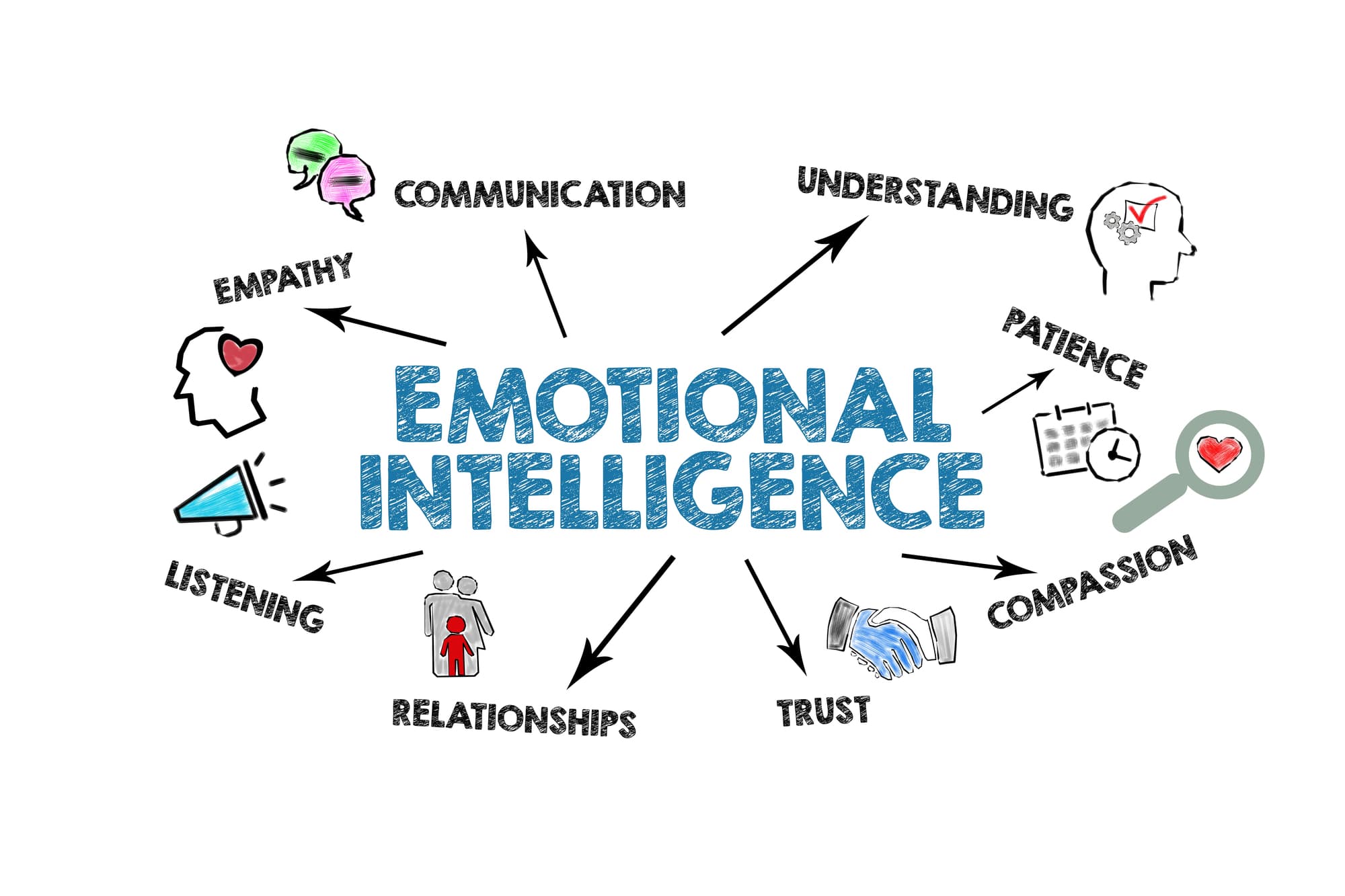
Today, leadership involves more than just completing tasks and hitting targets; it consists of motivating teams, building trust, having a calming presence in stressful situations and creating a great culture in the workplace. Successful leaders today need to develop one skill above all others to help them achieve these results: self-awareness.
Self-awareness is being able to identify your emotions, thoughts, behavior, strengths and weaknesses. A leader who has developed his or her own self-awareness will have a better understanding of how their behavior impacts others and will be able to make sound decisions because they have an understanding of who they are. As a result, such leaders will develop other Emotionally Intelligent Leaders who can successfully lead their teams.
In this blog, we will talk about the role of self-awareness in creating emotionally intelligent leaders.
What is self-awareness?
Self-awareness requires paying attention to both your feelings and behavior when interacting with others in various situations; to understand what drives you, what causes your frustration or anxiety, and to understand how your behaviors affect people around you.
For leaders, self-awareness is not to be confused with being critical of yourself; rather, it is about having an honest understanding of both your strengths and weaknesses. By doing so, leaders will develop and change into better leaders in all areas of their lives.
Understanding the connection between self-awareness and emotional intelligence
Being emotionally intelligent is about being able to know about your emotions and those of others. It is a way to manage these emotions to make sure you do not fall prey to them. Being self-aware is the first step in becoming more emotionally intelligent. The one who is self-aware will become emotionally intelligent much more easily and earlier than the one who does not know themselves
Everyone reacts emotionally. People who understand their emotions can react in a much more thoughtful manner instead of lashing out without thinking. Leaders can understand their emotions and communicate in a much better way towards there peers. This creates an enjoyable and effective working environment.
A stressful project can cause frustrations for leaders. Recognizing these emotions and managing them thoughtfully can help deliver the best results. A leader learns not to react in anger in these situations.
Decision-making improves
Emotions play a major role in one’s life. An emotionally immature person can take wrong decision that can harm the overall organization. Decisions are directly or indirectly influenced by your emotions. Self-awareness programs help you to differentiate your personal emotions from professional responsibilities.
Leaders understands here biases and also understand the emotional triggers. An emotionally mature leader considers all the perspectives before making a decision. This helps to make a much better decision that often provides the best outcomes for the organization. A well-educated and supportive leader is trusted by their workforce and offers the highest return to the company.
Better Communication Skills
Good leaders possess excellent communication skills; if a leader is truly self-aware of their own style of communicating, that creates the opportunity for them to adapt their style based upon who they are interacting with, and the context or situation in which that interaction is taking place.
Self-aware leaders will listen, speak clearly, and be receptive to the feedback they receive from others while communicating with them. A self-aware leader will monitor the impact that their use of words, voice, and tone has on others, making contact modifications as needed.
Because the team members feel that they are being listened to and understood, this leads to greater connection and comfort level within the team as well as increased teamwork and collaboration.
Building Closer Connections
Leadership is about building relationships. A self-aware leader provides a better opportunity to build trust and to form meaningful relationships with individuals they interact with on various levels (internal employees externally customers; locally vendors; etc.).
By being self-aware, leaders have a clearer understanding of their feelings, which allows them to express empathy toward others. Leaders who have a better understanding of themselves are therefore better able to acknowledge the feelings of their team members and to respond appropriately to those feelings.
This creates a workplace that fosters support and allows employees to feel safe sharing ideas, discussing challenges, and contributing to the organization as a whole.
Easily managing the stress and challenges
Every leader in the company has to make certain decision that needs character and personality. Being self-aware helps them make these decisions in a pressure-filled and uncertain situation. Self-awareness helps these leaders take steps that are driven by proper thinking and understanding.
Being calm helps them easily manage their team and ensure they deliver the highest-quality return to the organization.
Always providing continuous growth
Leaders understand that growth is a lifelong process. They learn every day and make sure that it offers them the highest comfort and opportunities. They see their mistakes as the learning experiences and make sure they learn from them regularly. They also encourage their peers to work hard and provide them with opportunities to grow in life.
Understanding how leaders can develop self-awareness
Becoming self-aware and emotionally mature requires intentional effort from the leaders. This helps them to become more mature and make better decisions.
- Leader can become emotionally mature through their actions and best decisions.
- You become more self-aware by asking your peers and colleagues about your performance and getting honest feedback.
- Leaders can develop emotional maturity by practicing mindfulness and emotional reflection.
- Make sure to find out the strengths and weaknesses.
- Make sure you keep a journal to track your emotions and thoughts.
Forming these daily habits helps you get better self-awareness, which provides you with the best insights.
Blockquote
"Self-awareness is the foundation of emotionally intelligent leadership, enabling leaders to understand themselves, connect with others, and lead with confidence and empathy."
Conclusion
A self-aware person can easily become emotionally intelligent and can make better decisions personally and emotionally. You need to be self-aware to make sure you always make the best decision. Self-aware and emotionally mature leaders create the best working environment and deliver the best performances.
Heart Acuity provides the best self-awareness and emotionally intelligent courses to manage your emotions. Feel free to know in detail about their courses.
Featured Categories
Featured Blogs


Contact Us
FREQUENTLY ASKED QUESTIONS
Heart Acuity provides the best emotional intelligence coaching and self-awareness.
It is highly important for leaders to be self-aware to make better decisions and function in stressful situations. Self-awareness is the foundation of emotional intelligence.
An organization benefits more with an emotionally mature workforce. They can easily tackle the challenges and can effectively manage the team for better performance.
The best way to develop self-awareness and emotional intelligence is to learn from th best. You can get courses and follow the instructions given to you. This will help you to become more emotionally mature.
It is one of the best ways to bring out the best in the team. Employees become more emotionally mature and helpful to each other. This creates a positive working environment where employees want to help their peers.
Recent Blogs