


Posted on 11 June, 2026
The Ultimate Guide to Emotional Intelligence and Leadership Development
Share On:



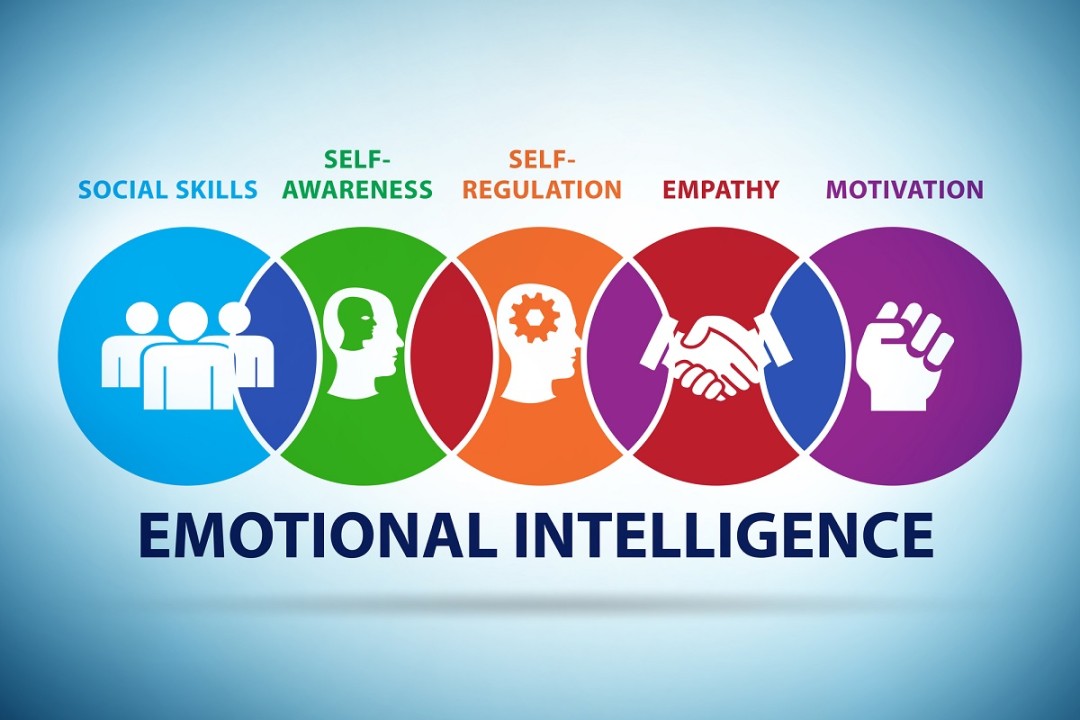
To prosper in the rapidly shifting work environment of today’s world, technical ability is simply no longer a sufficient foundation upon which to become successful. Professionals today are expected to have excellent communication skills, develop relationships, adapt to changes, and inspire other people; therefore, they need an emotionally intelligent leadership development component to achieve success.
Individuals develop the ability to manage their emotions and the emotions of others through Emotional Intelligence (EI), which also incorporates developing the skills to lead and to influence others. Together both of these elements yield exceptional results in individual professionalism, teamwork, and overall organizational success.
In this blog, we will talk about the Ultimate Guide to Emotional Intelligence and Leadership Development for Modern Professionals.
What is Emotional Intelligence?
EI stands for Emotional Intelligence and is defined as the ability to recognize, understand, and manage your own emotions while also being able to understand the emotional states of others. EI determines the way in which individuals communicate, make decisions, handle stress, and create relationships with others.
The five basic elements of EI include:
- Self-Awareness
- Self-Regulation
- Motivation
- Empathy
- Social Skills
Individuals with high levels of EI can stay calm under pressure; resolve disputes in an effective manner; and establish productive working relationships.
Why EI is Necessary for Leadership
Leadership is above and beyond not just instructing employees to do their job, but understanding the way in which to motivate the individuals with whom they are working. Leaders who have high levels of EI will:
- Establish trust between fellow employees
- Improve team communication
- Address workplace disputes in a cooperative manner
- Foster collaboration at the workplace level
- Elevate the likelihood of enhanced employee production.
Understanding emotions can help leaders make rational decisions and provide support to team members who are facing difficulties.
Emotional Intelligence and Leadership Development Are Intertwined
Emotional intelligence plays an important role in developing leaders. Technical knowledge alone is not enough for a leader to interact with an employee and develop a trusting relationship. Therefore, developing emotional intelligence along with leadership skills helps professionals to:
All professionals can develop the following:
- Improve their communication skills
- Improve their ability to solve problems
- Develop greater resilience
- Improve their relationship with others at work
- Lead with both confidence and empathy
Organizations have also begun to recognize that emotional intelligence is one of the most important skills in effective leadership.
The Primary Skills That Modern Professionals Need to Be Leaders
Communication
A leader communicates with purpose and listens to others. A leader will provide feedback, explain goals and provide direction so that all team members have a clear understanding of the task at hand. Having the Team Leadership Coaching can help the leaders become the best version of themselves.
Good communication will also include the ability to recognize non-verbal communication from others and respond appropriately to how others are expressing their feelings.
Empathy
A leader with empathy has the ability to connect with employees and see things from their perspective, which can lead to a more loyal and productive employee.
Flexibility
The workplace is always changing. A leader must be flexible and able to modify a plan of action based on changing conditions. Flexible leaders will build a greater sense of certainty and help their team members feel more confident when coping with changes.
Making Good Choices
Decision-making using emotional intelligence will help leaders make the right choice for themselves, their teams, and the organization. By analyzing the facts. (what happened in the situation), while also taking into consideration the feelings of those who were impacted by the decision, a good balance will be created to achieve a better solution and increase buy-in.
Resolving Conflicts
Conflicts are a natural part of any workplace because we have different people with different ideas working together. The best leaders to resolve conflicts early on by listening to both sides before attempting to find a common solution. Resolving conflicts on time and creating a plan on how to move forward will aid in preserving relationships and fostering a positive work environment.
Ways to Increase Emotional Intelligence
Emotional intelligence is developed over time through repeated opportunities to practice and reflect on your actions and reactions.
To continue to build emotional intelligence, professionals can implement one or more of the following suggestions:
Increase Self-Awareness
Take time to assess your own feelings and reactions. By recognizing your triggers, you will have a better chance of succeeding at overcoming adversity when faced with similar situations in the future
Become an Active Listener
When someone is speaking, focus on listening to them rather than thinking of what you are going to say in return. The ability to actively listen will enhance your understanding of the speaker's intent and enable you to create a more positive relationship with them.
Request For Feedback
Requesting honest feedback from colleagues, mentors, or supervisors will aid you in identifying areas for improvement.
Manage your Stress Level
Stress can greatly impede decision-making and communication. Integrating techniques such as yoga/relaxation, exercise, and time management can allow you to maintain more emotional balance in a situation.
Develop Your Empathy Skills
Striving to view the situation through another person's eyes can tremendously enhance the opportunity to collaborate with one another and avoid miscommunication errors.
Professional Development Opportunities
Many professional leaders turn to structured learning programs to enhance their Leadership and Emotional Intelligence skills. An Emotional Intelligence Masterclass provides hands-on tools for increasing self-awareness, communication skills, and Relationship Management.
The Future of Leadership
As work environments become more collaborative and human-focused, Emotional Intelligence will serve as an increasingly important Leadership skill. Organizations are placing more value on Leaders who can inspire trust, promote the well-being of employees, and create strong workplace relationships.
Blockquote
"Emotional intelligence is the foundation of modern leadership, enabling professionals to build trust, inspire teams, and navigate challenges with confidence and empathy."
Conclusion
Emotional Intelligence and Leadership Development are vital for today's professionals who want to succeed in today's work environment. By increasing one’s level of self-awareness, building one's capacity for empathy, improving one's communication skills, and honing one's decision-making skills, one may help others become better leaders and place greater value on members of their team.
Heart acuity provides the best emotional intelligence and leadership development programs for employees and other people. Feel free to know more about the courses and the ones that fit best for you.
Featured Categories
Featured Blogs
Contact Us
FREQUENTLY ASKED QUESTIONS
Emotional Intelligence is the capacity to identify and manage one's own emotions and to deeply interact with the emotions of others.
It will enable them to create a trusting relationship with their followers; enhance their ability to communicate with their followers; and enable them to more effectively manage their teams.
Yes, emotional intelligence can be developed through Self-Awareness, Practice, and Ongoing Learning.
It will lead to improved Collaboration and reduced Conflicts; and it will lead to improved Workplace Relationships
The top characteristics of leaders with high emotional intelligence include self-awareness, empathy, adaptability, the ability to communicate effectively and the ability to make sound decisions.
Development in leadership skills helps develop the ability to manage and build leadership skills and to have greater confidence to assume increased responsibilities in their careers.
Empathy enables leaders to understand how other people think and feel and allows leaders to build stronger relationships with team members.
Emotional intelligence skills benefit almost all professionals, regardless of the industry or the job function.
Leaders can develop emotional intelligence by engaging in self-reflection, active listening to others, soliciting feedback from others, and consistently practicing.
Leadership skills are about influencing teams, while emotional intelligence is about regulating one's own emotions and the emotions and relationships of others.
Yes, emotional intelligence provides individuals with the ability to manage their emotions and maintain composure while jointly finding mutually acceptable solutions to disagreements.
Recent Blogs
Posted on: Jul 14, 2026
Read More
Posted on: Jul 14, 2026
Read More