


Posted on 18 June, 2026
Leadership Coaching Techniques
Share On:




Effective leadership is more than just accomplishing tasks and achieving objectives. A strong leader must also learn to build relationships with others. Leaders today are expected to understand people and develop trust in order to address challenges and make informed decisions. Emotional Intelligence and Decision Making are two of the key skill-sets that can help leaders in this process. With appropriate training, coaching, and support, leaders can become more proficient in these two critical areas and become more successful as leaders.
The definition of Emotional Intelligence is the ability of an individual to (1) recognize, (2) understand and (3) control both their emotions and the emotions of others. Decision-making, on the other hand, involves evaluating circumstances, weighing options and coming up with the best alternative.
The relationship between Emotional Intelligence and decision-making is crucial because decisions made by leaders are typically influenced by emotional factors.
In this blog, we will talk about the Leadership Coaching Techniques That Strengthen Emotional Intelligence and Decision-Making.
The Importance of E.I. in Leadership
Leaders are in contact with employees, clients, stakeholders and teams daily. Their ability to be able to understand how emotions are affecting communication, teamwork and overall workplace culture is important; therefore, a leader who has a higher level of Emotional Intelligence. will be able to more effectively manage conflicts; will be able to motivate his/her employees; and will be able to create a positive work environment.
When leaders have a high level of Emotional Intelligence, they can make better judgments about how their actions will affect others around them; when they do so, it gives them the capability to build better relationships with their teams, thereby gaining their confidence. Employees will generally feel more at ease working with a leader who listens to what they are trying to say and when they feel like their leader is a person who has strong Emotional Intelligence.
The Connection Between Emotional Intelligence and Decision-Making
Your decision-making should not be reliant on factual evidence alone as emotions, values, and human psychology also significantly contribute to how you make choices as a leader. When leaders understand their own emotional state, they will not react impulsively during times of stress.
For instance, when a leader is experiencing business pressures, they may feel frustration and/or anxiety. If you are unable to recognize your own emotions, these feelings may have an overall adverse impact on your decision-making process. On the other hand, a leader who is emotionally intelligent can perceive their emotional state, manage their emotions, and concentrate on solving the problem at hand.
By balancing emotion with logic, leaders can arrive at a solution that is mutually beneficial for all involved and provide exceptional leadership.
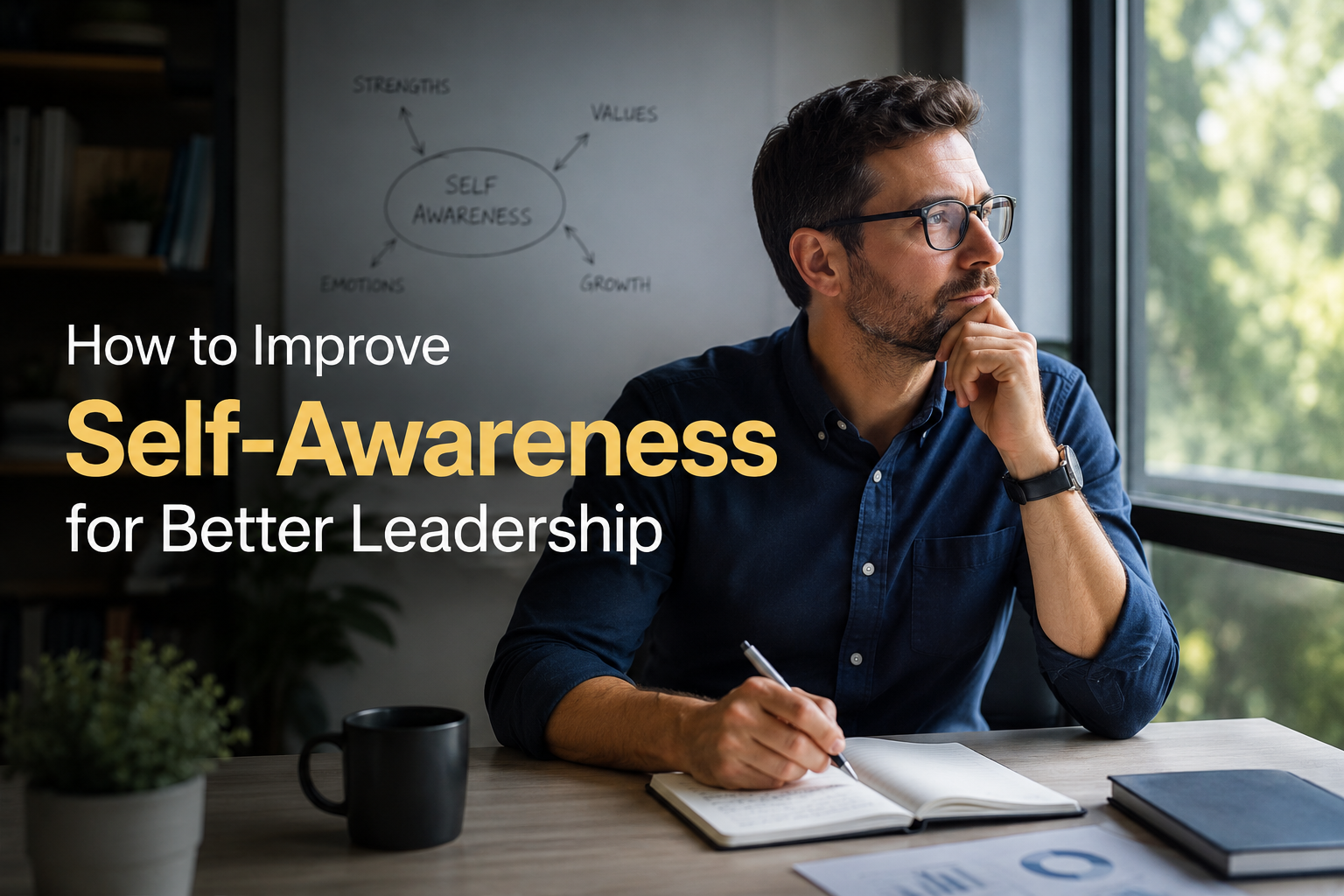
How Leadership Coaching Helps Leaders Build Self-Awareness
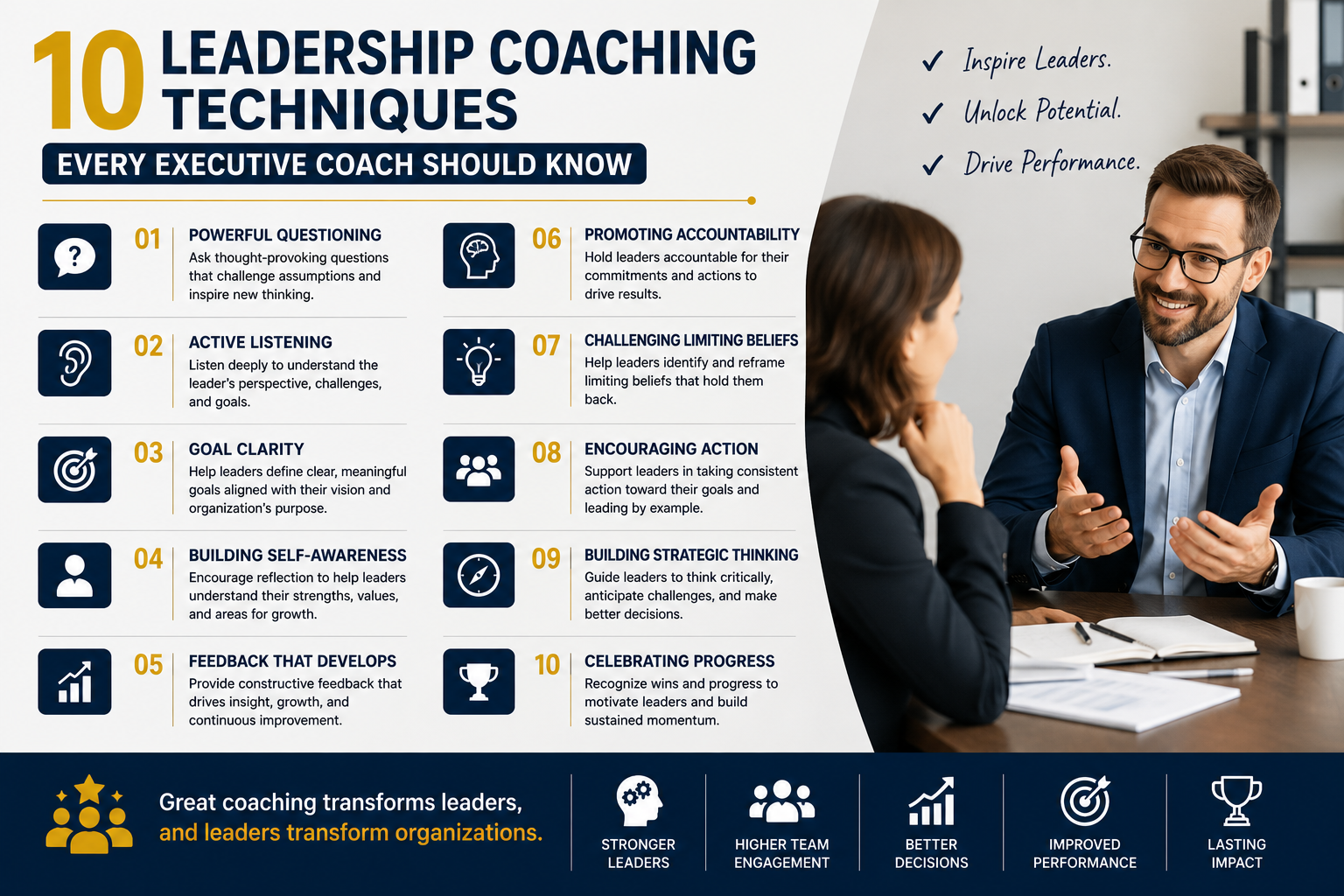
Emotional intelligence is based on your self-awareness. This is the reason why leadership coaches typically assist leaders in identifying their personal strengths and weaknesses to work on their emotional triggers and solve them.
Reflective practice is an effective method for building self-awareness in leaders. Reflective practice helps leaders encourage themselves to reflect on their own behaviors by examining recent events and how they responded to them. This exercise provides leaders with vital information about how they operate.
Another method to gain a better understanding of oneself is through the use of feedback. Many times, a coach will ask the leader to solicit feedback from their co-workers, team members, and supervisors. The purpose of this exercise is to help the leader understand others’ perceptions of their leadership style and communication skills.
Enhancing our Emotional Control
Emotional management refers to how well an individual is able to respond to stressful situations. As leaders, we tend to experience high levels of pressure or time constraints due to deadlines and or holding difficult conversations with employees daily. Developing the ability to maintain composure and focus will help any leader navigate through these stressful moments.
Coaches can provide teaching on mindfulness techniques, breathing techniques and techniques to manage stress levels to leaders as they prepare for managing the emotional impact of difficult conversations with employees. Pausing allows leaders the opportunity to be more thoughtful in their responses versus reacting emotionally and enables them to communicate more efficiently.
As a leader develops these emotional control techniques over time, they will improve their ability to manage the stress associated with challenges and remain professional during high-stress situations.
Developing our Empathy and Our Communication Skills
Empathy is the ability to identify with or share the feelings of another person. As leaders demonstrate empathy towards others they can build and create stronger relationships that promote better collaboration.
As part of a leader's overall coaching plan, coaches often focus on active listening. By engaging in active listening, leaders will learn to listen to their employees with the intent of understanding their employees' issues and finding solutions without judgment and before offering any solutions. Leaders who develop active listening skills will enhance the level of trust and respect that exists within their teams.
Many coaches utilize a role-play exercise as a means to assist the leader in building their communication skills to have difficult conversations with employees. These role-play exercises also provide the leader with the opportunity to develop effective ways to thoughtfully respond to the concerns of employees.
When leaders can communicate with empathy they build a stronger rapport with their employees which results in increased employee engagement and morale
Growing Decision-Making Abilities
When developing their decision-making capability, leaders develop a formal framework to assess the circumstances around them by working with a coach. Coaches will work with a leader to create a framework to utilize critical thinking and analysis when making a decision.
As an example, one way a leader can make an informed decision is by evaluating a variety of viewpoints before arriving at a conclusion. By reviewing the perspective of the individuals and groups that will be impacted by the decision, the leader can determine if there are any existing biases or preconceived opinions that are influencing their decision-making process. In turn, using a wider perspective will help to decrease the possibility of producing a decision that is not in the best interest of the organization.
A coach can also assist leaders in identifying their assumptions and how their habitual responses to certain situations may limit them from thinking creatively. The reflexive responses and exploring multiple perspectives help leaders to develop informed and balanced decisions.
The second area of Leadership Coaching Techniques focuses on aligning their decisions with the organization's long-term agenda and long-term goals.
Supporting Self-Esteem Through Coaching
Self-esteem is a critical component of effective leadership. Leaders who trust themselves will be successful in making good decisions and building their team's confidence.
Through coaching, leaders are able to identify what has led to their past successes, learn from their mistakes, and be open to new experiences. They can reframe their thoughts and see mistakes or failures as opportunities for learning and improvement.
As leaders develop greater levels of self-esteem, they will demonstrate greater comfort in making challenging decisions and in helping their teams with significant changes to the business.
Blockquote
"Great leaders combine emotional intelligence with smart decision-making to inspire trust, drive results, and lead with confidence."
Conclusion
Leaders need emotional intelligence and decision-making skills to be successful. Leaders with high emotional intelligence can understand the feelings of others, are able to effectively communicate, and make decisions with care are better able to overcome challenges at work and successfully direct their teams.
Heart Acuity is a top organization that provides the best leadership courses and techniques that strengthen emotional intelligence and decision-making. Feel free to know in detail about their services.
Featured Categories
Featured Blogs


Contact Us
FREQUENTLY ASKED QUESTIONS
Emotional intelligence is the capacity to understand and regulate your emotions and know how to effectively relate to others.
Leadership coaches can help leaders determine objectivity about the situation and arrive at a more informed decision.
Self-awareness allows leaders to understand their strengths, weaknesses, and how they affect others.
One can learn anything in life with dedication and curiosity. You can become emotionally intelligent by learning from the coaching.
Empathy builds rapport through trust, facilitates communication and strengthens the relationships among teams.
Coaching is effective because it is an excellent method for increasing leadership performance, increasing employee engagement, and improving organizational performance.
Recent Blogs
Posted on: Jul 14, 2026
Read More

Posted on: Jul 14, 2026
Read More