


Posted on 10 July, 2026
5 Emotional Intelligence Habits of the Most Effective Leaders
Share On:




The great leaders are defined not only by the choices that they make, but also by how they make others feel. In the rapidly changing work environment, technical skills and experience alone cannot empower leaders to motivate their teams, overcome any obstacles, or build relationships. All the leaders who continuously inspire high-performing teams have one characteristic – emotional intelligence.
Learning the 5 Emotional Intelligence Habits of the Most Effective Leaders will enable professionals of all levels to communicate better, to make better decisions, and to become better leaders. No matter whether you manage a small team or an entire company, learning these habits will change the way you lead and work.
1. They Practice Self-Awareness Every Day
Self-awareness is the cornerstone of emotional intelligence. Good leaders are aware of their own emotions; they know what their strengths and weaknesses are, and they realize how their actions affect others.
Unlike some other leaders, who react emotionally during hard times, the leaders with emotional intelligence do not act on impulse; they reflect, and they think about how to behave.
Self-awareness will help a leader determine their emotional triggers. It becomes easy for such leaders to remain calm in conflictive and challenging moments. This trait will instill trust in team members who respect leaders who are truthful and emotionally stable.
2. They Manage Their Emotions Under Pressure
In any organization, there are bound to be problems, tight deadlines, and other issues. Good leaders differentiate themselves from other average leaders in their ability to regulate emotions rather than allowing emotions to regulate them.
Emotionally intelligent leaders remain calm in the face of any criticism or uncertainty. They do not spread panic but speak confidently, clearly, and optimistically. Such leaders inspire confidence in their teams by creating psychological safety in which employees feel free to share opinions, make mistakes, and work together without being judged.
The development of emotion regulation is perhaps one of the most important leadership qualities since it allows for effective decision-making even in high-pressure environments.
3. They Lead With Empathy
Empathy is no longer a “soft skill” – it is a business benefit. The 5 Emotional Intelligence Habits of the Most Effective Leaders are all about being able to understand people, and empathy plays an important role in them.
Empathic leaders listen first before giving any suggestions. These leaders appreciate diverse points of view and can empathize with the employees’ situations.
Employees become highly engaged when they are listened to and appreciated. The teams become more collaborative, inspired, and loyal since the leader shows care and concern for them.
Moreover, empathy builds better relations with customers, resolves conflicts, and helps to build an inclusive corporate culture.
4. They Communicate with Clarity and Compassion
Good communication skills are not just about the ability to talk well – it is about the ability to connect with others. An emotionally intelligent leader knows how to give feedback that does not discourage employees. They ask good questions, listen carefully, and compassionately communicate their expectations.
This harmony of honesty and empathy avoids misunderstandings and improves workplace relations.
From conducting meetings, mentoring employees, to resolving conflicts, effective emotional intelligence-based communication involves openness and respect.
Companies that value communication skills benefit from increased employee satisfaction, good team collaboration, and efficient leadership skills.
5. They are Committed to Continued Emotional Learning
The fifth and final habit of the 5 Emotional Intelligence Habits of the Most Effective Leaders is the commitment to ongoing learning.
Emotional intelligence doesn’t happen just once - it requires continual work, reflection, coaching and experience.
Many high-performing individuals choose to engage in leadership development training programs, executive coaching, and an Emotional Intelligence Masterclass to improve self-awareness, empathy, emotion management, relationship management, and communication.
Continuous improvement of emotional intelligence makes the leader more capable of inspiring innovation, handling change, solving disputes, and creating resilient teams.
Why Emotional Intelligence is More Important than Ever
Modern workplace settings have become more collaborative, diverse, and fast-paced. The modern worker expects a leader who communicates well, can read the emotions of their co-workers, and can create an environment where everyone feels valued and motivated.
The research evidence consistently indicates that emotional intelligence helps with the following:
- Effective leadership
- Employee engagement
- Conflict management
- Highly productive teams
- Workplace trust
- Effective decision-making
- Collaboration
- Overall success of the organization
Whatever your profession – whether you are an entrepreneur, a manager, an HR specialist or a prospective leader, investing in emotional intelligence development means gaining long-term career benefits that mere technical skills cannot bring you.
The Emotional Intelligence Masterclass can help you take the first steps towards developing your emotional intelligence through practical tips on creating effective interpersonal relations and managing your emotions.
Conclusion
Developing the 5 Emotional Intelligence Habits of the Most Effective Leaders is worth the effort. Not only will it be good for your career, but it will help the organizations where you work run more successfully, too.
Professional people who seek to enhance their emotional intelligence and leadership skills may find our services at Heart Acuity useful since we offer special training courses that help develop emotional intelligence skills. We have courses such as the Emotional Intelligence Masterclass, along with many other programs for leaders.
Featured Blogs
Contact Us
FREQUENTLY ASKED QUESTIONS
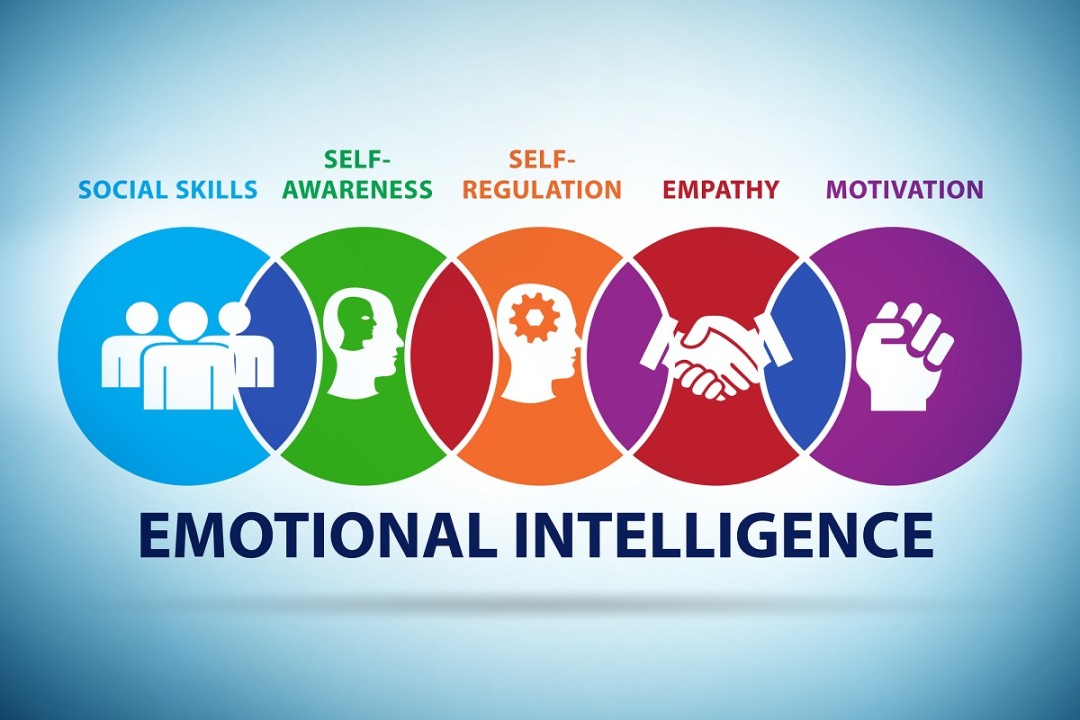
These are self-awareness, emotional regulation, empathy, effective communication, and continuous emotional development. They all help build better relationships, motivate people, and make good decisions.
Leaders need to know how to understand themselves and others, communicate properly, solve problems, deal with stress, and establish positive working relations. This is why emotional intelligence is so crucial for leaders.
Yes, of course. Emotional intelligence is a skill that can be developed via self-reflection, practice, coaching, feedback, and learning interventions such as an Emotional Intelligence Masterclass.
Leaders who have high emotional intelligence create a trusting environment, foster cooperation, facilitate communication, and create psychologically safe places of work that encourage the participation of employees and problem-solving.
An Emotional Intelligence Masterclass will be suitable for business owners, managers, executives, entrepreneurs, human resources professionals, educators, team leaders, and everybody who seeks to build leadership qualities.
Recent Blogs
Posted on: Jul 14, 2026
Read More
Posted on: Jul 14, 2026
Read More